As I watched reports of Syrian refugees returning home after years of displacement, several memories crossed my mind. Each reminded me of the value people attach to their roots. An old African adage expresses it well: A foreign land full of luxury can never be the same as home.
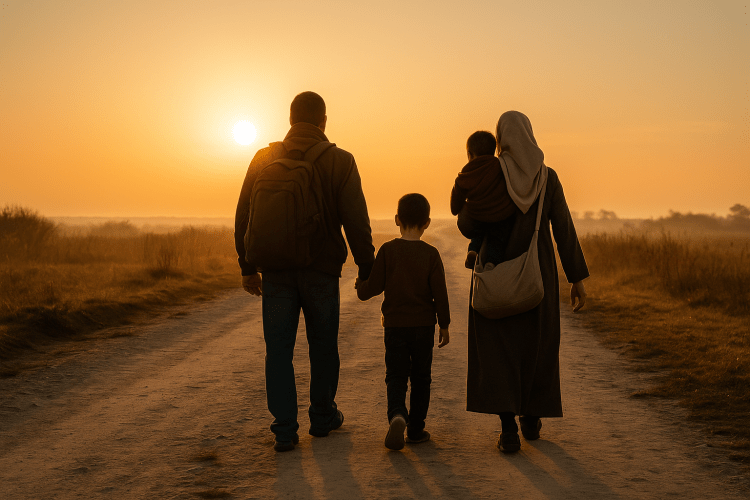
Statistics alone cannot tell the refugee story. Too often, the image is of someone leaving home for Europe or North America in search of a better life. That is a narrow, often misleading portrait. People flee because staying has become unsafe.
According to the UN Refugee Agency (UNHCR), 67% of refugees were hosted in countries neighboring their own at the end of 2024, while 73% were hosted by low- and middle-income countries. That year, 9.8 million forcibly displaced people returned to their places or countries of origin. They included 1.6 million refugees and 8.2 million people displaced within their own countries.
Those figures challenge the idea that displacement is primarily a journey to the West. But they cannot tell us why each person returned, whether it was safe to do so, or how many others still hope to go home.
The Many Faces of Forced Migration
The causes of forced migration are as complex as the people it affects. War, persecution, violence and disasters can force people from their homes. Their experiences differ, too. Some cross borders and become refugees. Others remain displaced within their own countries.
For some families, displacement lasts across generations. Children may be born and raised in camps, knowing a homeland only through stories. Even when that country lies just across a border, conflict can place home beyond reach. Distance is not measured in miles alone.
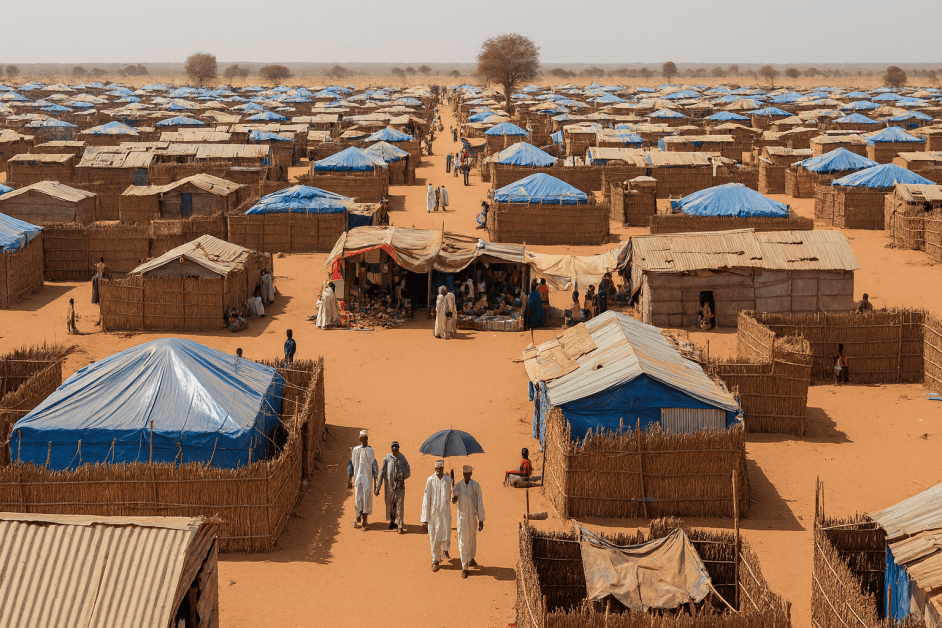
Closer to Home: A West African Perspective
In the mid- to late 1990s, people who had come to Ghana from Chad and Niger became a familiar presence on Accra’s streets, especially around Kwame Nkrumah Circle. Adults and children begged along its busy roads. Children sometimes followed passersby, held on to their clothing and persisted until they received money. For many people living or working in the city, such encounters became part of daily life.
Chadians who sought refuge in Ghana and Nigeriens who came seeking a livelihood could be found in the same public spaces, but they did not necessarily have the same reasons for leaving home or the same legal status. Some families had children in Ghana. Over time, a younger generation grew up in the city, with some children still begging on the streets while others learned local languages and became part of the communities around them.
The scene showed how movement across Africa does not fit a single refugee story. West Africa also lived through the effects of Liberia’s civil war and the conflict in Sierra Leone. People fled to other countries in the region, including Ghana. Some later returned. Others built lives in the places where they had found safety.
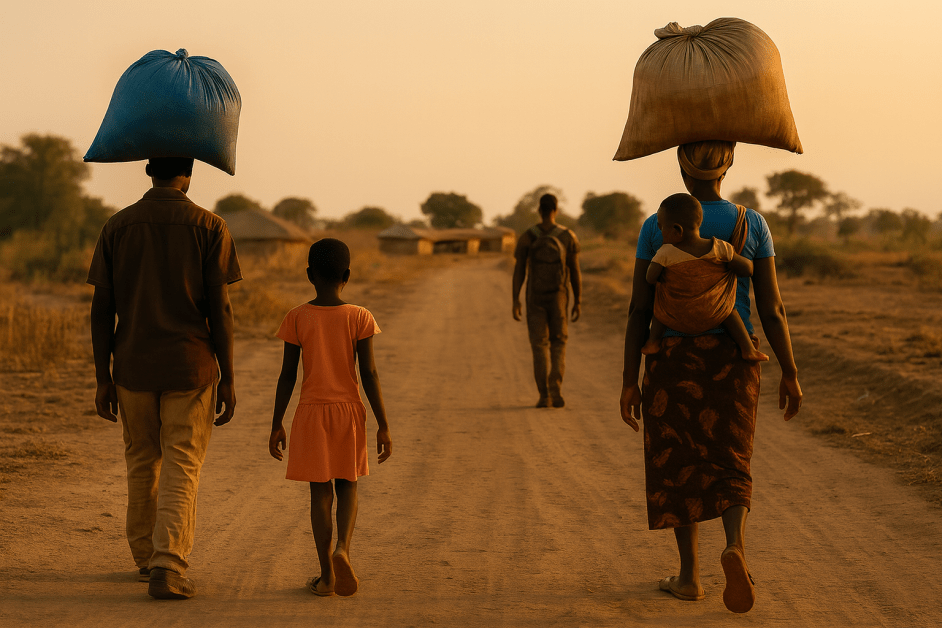
Behind the numbers: Lives interrupted
Numbers rarely show the lives behind them: families separated, careers interrupted, childhoods shaped by fear.
I remember a Sierra Leonean couple I met in Accra during the war. They were young, educated and newly married. He had worked as a government official; she was a college graduate. I was still in high school, and she and I quickly connected over our similar boarding school experiences.
They rented a single room in a crowded compound house in Osu. They shared bathrooms, fetched water alongside their neighbors and lived simply, but with dignity. They adapted to their new surroundings. Still, their greatest hope was to return home, rebuild and reclaim the life they had left behind.
Their story stays with me because refuge and belonging are not the same thing. A safe room can offer shelter without replacing the home a person was forced to leave. Nor does every displaced person have the same hope. For some, return is possible; for others, the danger remains or a new home takes shape elsewhere.
A different loss of freedom
My years as a journalist brought me face to face with another kind of confinement. On an assignment in Ghana’s Volta Region, a colleague and I visited a shrine where women had been held in ritual servitude under the practice known as Trokosi. Some had been sent there to atone for alleged offenses by family members. They were separated from their families and denied control over their lives.
Ghana criminalized customary or ritual servitude in 1998, yet the practice continued in some places. Advocates worked to free women held in the shrines and help them rebuild their lives. I remember the women I met during my reporting and the joy of seeing lives no longer defined by that confinement.
These women were not refugees simply because they were confined. Their experience belongs in this story for a different reason: it taught me how easily people can lose safety, agency and a sense of belonging without crossing a border. We should recognize the shared human stakes without treating distinct experiences as the same legal category.
Beyond Refugee Camps
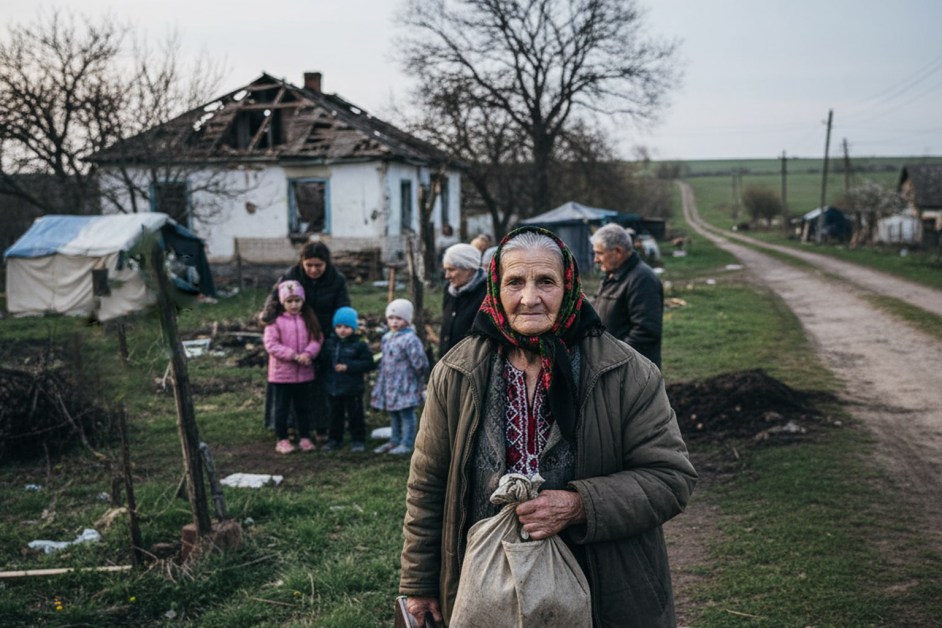
A refugee has crossed an international border to seek protection. An internally displaced person has been forced from home but remains within their country. Stateless people face another set of risks because no country recognizes them as citizens. UNHCR works with people across these and other circumstances, but their identities and legal protections are not interchangeable.
The distinctions matter. So do the lives behind them. Some displaced people live in camps; others rent rooms, stay with relatives or settle into neighborhoods. Looking only at camps can cause us to miss much of their experience.
A Shared Responsibility
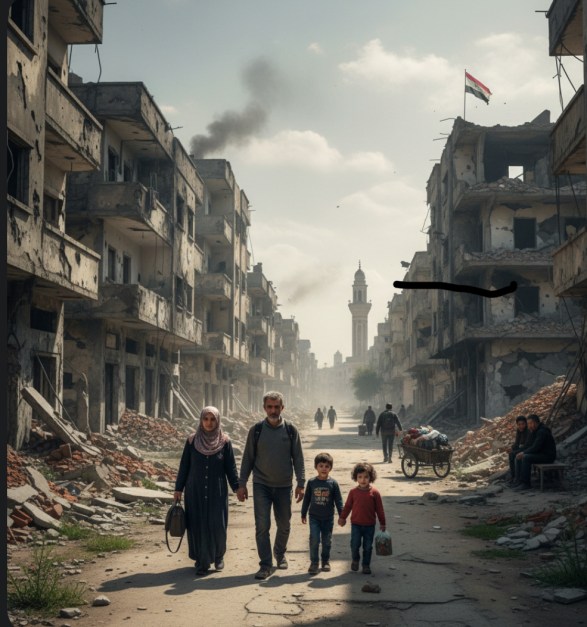
The refugee story is not simply about numbers, nor is it a contest between the West and the rest of the world. It is about people seeking safety and dignity after circumstances they did not choose disrupted their lives.
To understand them, we must listen closely, use our terms accurately and make room for different hopes: to return, to remain safe where they are, or to begin again somewhere new.

