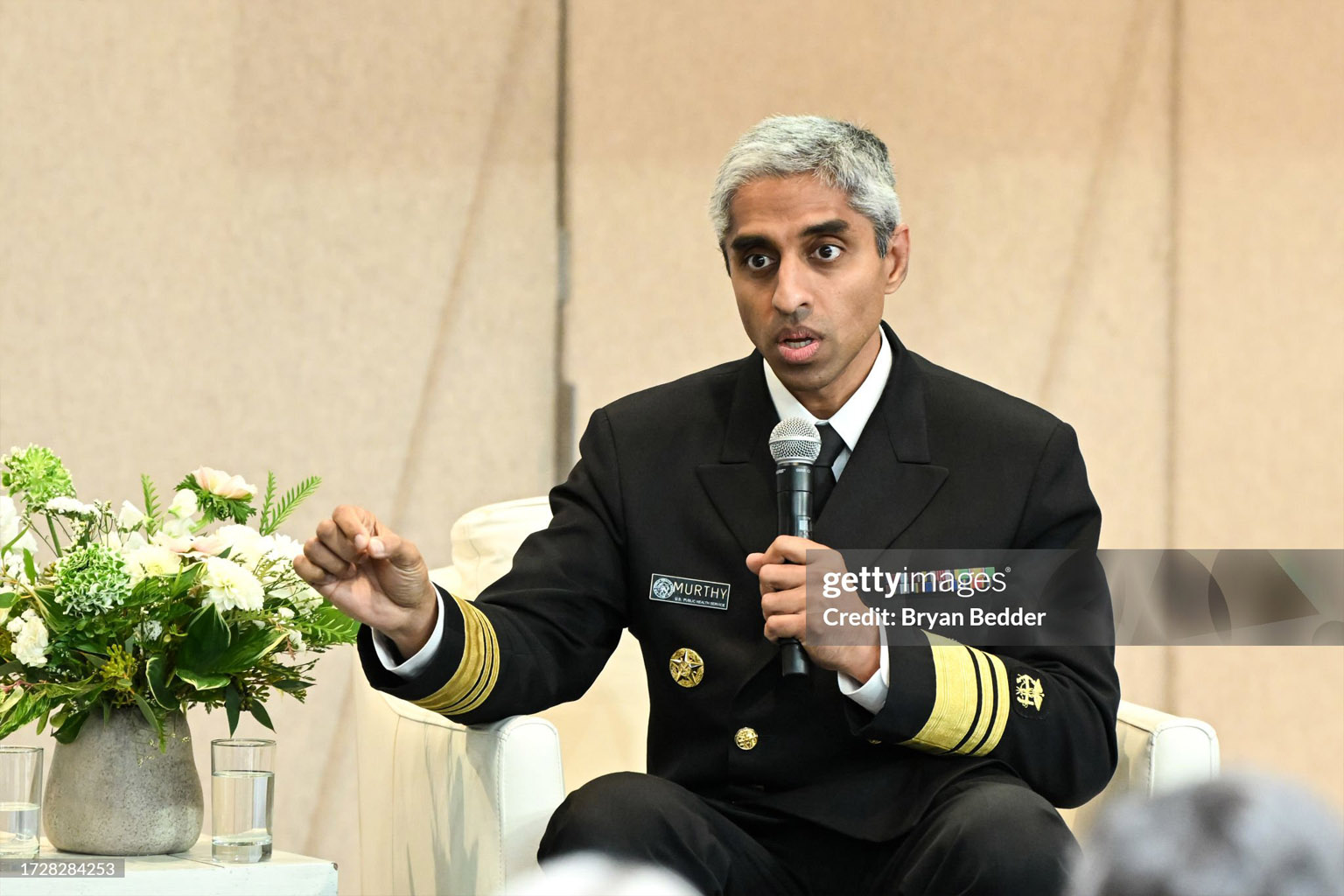
In June 2024, the U.S. Surgeon General, Dr. Vivek Murthy, called for warning labels on social media platforms, to lower the threat posed to children.
The SG’s call elevated a critical conversation about a looming global problem of mental health in adolescents, associated with social media. In the U.S., a nation that fervently champions the Second Amendment and individual liberties, this complex subject almost pits the fundamental right to free speech against the need to shield minors from harm.
Social media has a profound effect on youths globally, but parents have little option to protect their children from its harms. Some countries regulate these platforms by enforcing safety standards for minors. Dr. Murthy called on U.S. policymakers to consider his proposal. This follows an earlier call the nation’s top doctor made in 2023, challenging stakeholders, including tech companies and policy makers, to take urgent action to protect America’s youths. Youths need the most protection from social media during adolescence and childhood, where their brains are still developing, he explained.
In the U.S., social media is increasingly linked to youth suicide. Online exposure to cyberbullying, exploitation, and harmful content result in isolation, despair and depression in adolescents. In 2020, Carson, a 16-year-old boy, hung himself after cyberbullies targeted him anonymously, his mother says. Several other families with similar experience have voiced their frustrations about their children’s vulnerability to social media. More than 60 families sued Snapchat in 2023 for their children’s drug overdose-related deaths. The parents alleged the popular app enabled access to drug dealers who offered fentanyl to their kids. Advocates for social media safety think the U.S. needs to do more to safeguard young people from hazardous online exposure. Many blame tech companies’ influence on policymakers for the latter’s lack of action.
In his latest call, an op-ed in the New York Times, Dr. Murthy emphasized that labeling these social media platforms with tobacco-like warnings would regularly remind parents and adolescents about the dangers associated with them. “A surgeon general’s warning label, which requires congressional action, would regularly remind parents and adolescents that social media has not been proved safe.” He stated further that “evidence from tobacco studies show that warning labels can increase awareness and change behavior.” While the U.S. will not be the first to enact laws that protect young people from harmful social media use, such a label would be the first of its kind in the fight for child online safety.
In Europe, the UK and EU enacted laws that prioritize the safety of minors in cyberspace. The UK Online Safety Act mandates social media companies to enforce age limits and assess user risks. Similarly, the EU Digital Services Act requires platforms to, among other things, “verify user ages, and ensure data processing consent is freely given.” Sections of the laws have been criticized as far-reaching and government policies that subject tech companies to unrealistic standards. Advocates for the laws argue the laws’ sole purpose is to create a more positive online experience for young people.
While the U.S. struggles to pass The Kids Online Safety Act (KOSA), a federal bill that would regulate how social media targets young people, some States have enacted their own. In June, 2024, New York took the step, passing the Safe for Kids Act, to combat addictive social media feeds and protect children online. By doing so, the Empire State joins California, Texas, Utah, Florida, Connecticut, Delaware and other States with laws that aim to protect children on social media.
Even though social media impacts young people’s mental health globally, the effect can vary significantly, depending on location and settings. In Africa, youths face immense pressure to emulate the lifestyles portrayed online – resulting in increased depression and anxiety in this population. This renders teenage girls more susceptible to sexual exploitation and young males to risky behaviors, including criminal activities. This pressure is evident in many West African countries, where unrealistic standards set by social media influence physical and emotional well-being. All the same, unlike youths in developed countries, where access to technology is widespread, teenagers in developing countries—due to the digital divide—may experience less of the exposure that drive hopelessness and suicidal thoughts.
Despite its negatives, social media offers numerous benefits for young people when used responsibly. These digital networking platforms are powerful tools that can enhance social connections, provide valuable support, improve social skills, build confidence, and expose users to diverse cultures and perspectives. What parents want more than anything is to maximize these benefits and minimize the harms.
The balance between protecting consumer rights and respecting free speech remains a contentious issue, especially in the U.S. Caught in the middle, is child safety.
 Antoinette H. C.